
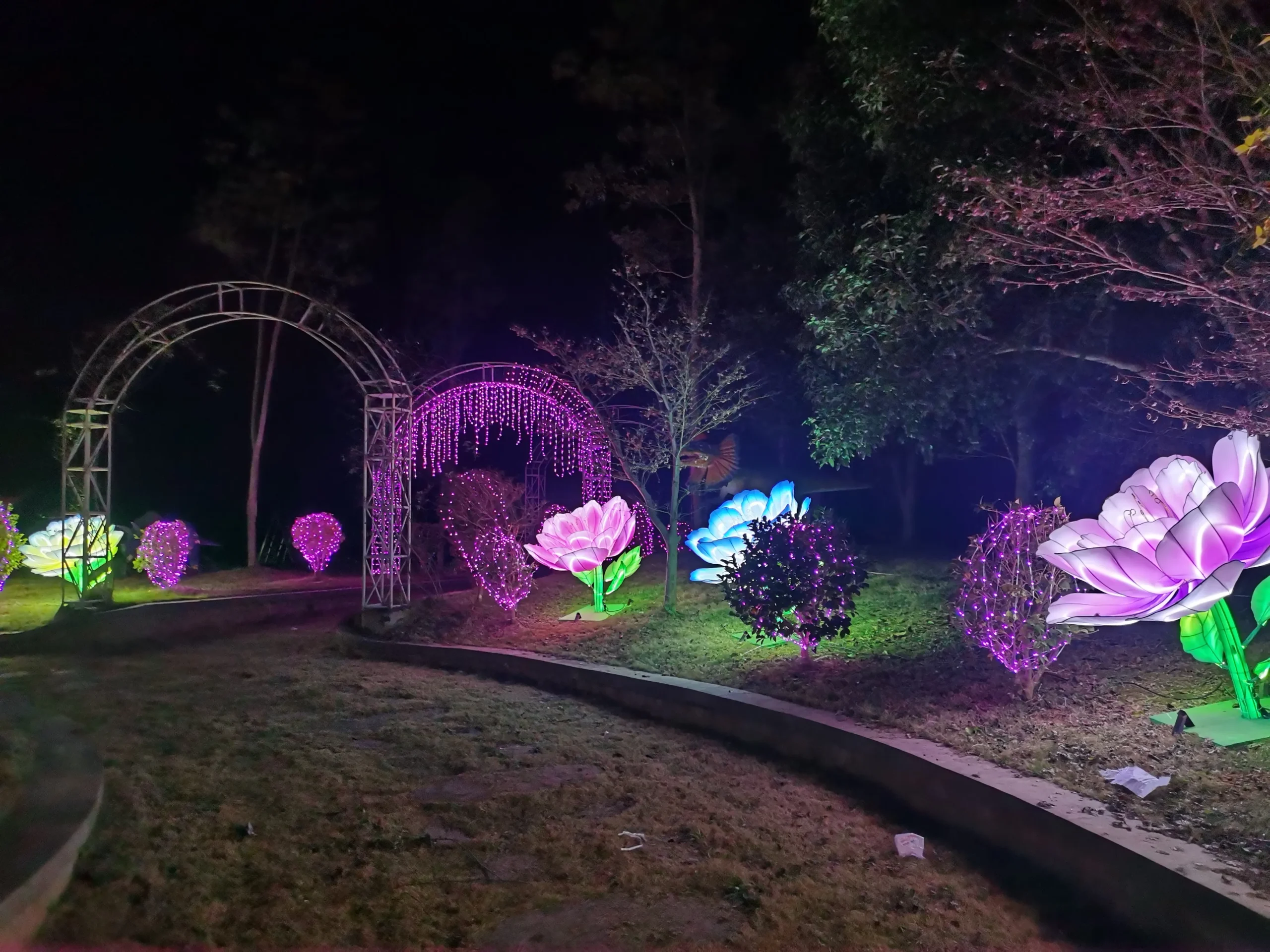


Custom Forest Decoration Lanterns for Parks and Enchanted Woodland Trails
Custom forest decoration lanterns transform woodland trails, forest parks, botanical gardens, resorts, festivals, and nature attractions into illuminated visitor experiences. A project can combine glowing flowers, vines, tree forms, celestial spheres, stars, mushrooms, animals, arches, and pathway scenes around one site-specific story.
Instead of treating the forest as a background, the lantern route uses its paths, planting, canopy, open spaces, and viewing distances as part of the design. Scale, color, lighting rhythm, structure, installation zones, export packing, and local assembly support can be planned around the venue.
Forest decoration lanterns are customized illuminated sculptures and scenic lighting elements used to create enchanted woodland routes for commercial and public attractions. They are designed as a coordinated site experience rather than a set of unrelated decorative lights.
Choose the Right Forest Decoration Lanterns Route
Confirm whether the buyer needs a forest-specific product group, a broader custom lantern service, or a complete night-event plan before defining the quotation scope.
Forest decoration lanterns
Use this page when the project is already focused on woodland trails, glowing plants, mushrooms, stars, spheres, trees, or forest story scenes.
Custom lantern displays
Use the broader service when the buyer is comparing forest, animal, architectural, cultural, seasonal, and branded lantern concepts.
Light decoration for events
Use the event route when the scope also includes entrances, visitor flow, lighting zones, photo points, performance areas, and site-wide operation.
Build Fairytale Forest Trails with Forest Decoration Lanterns
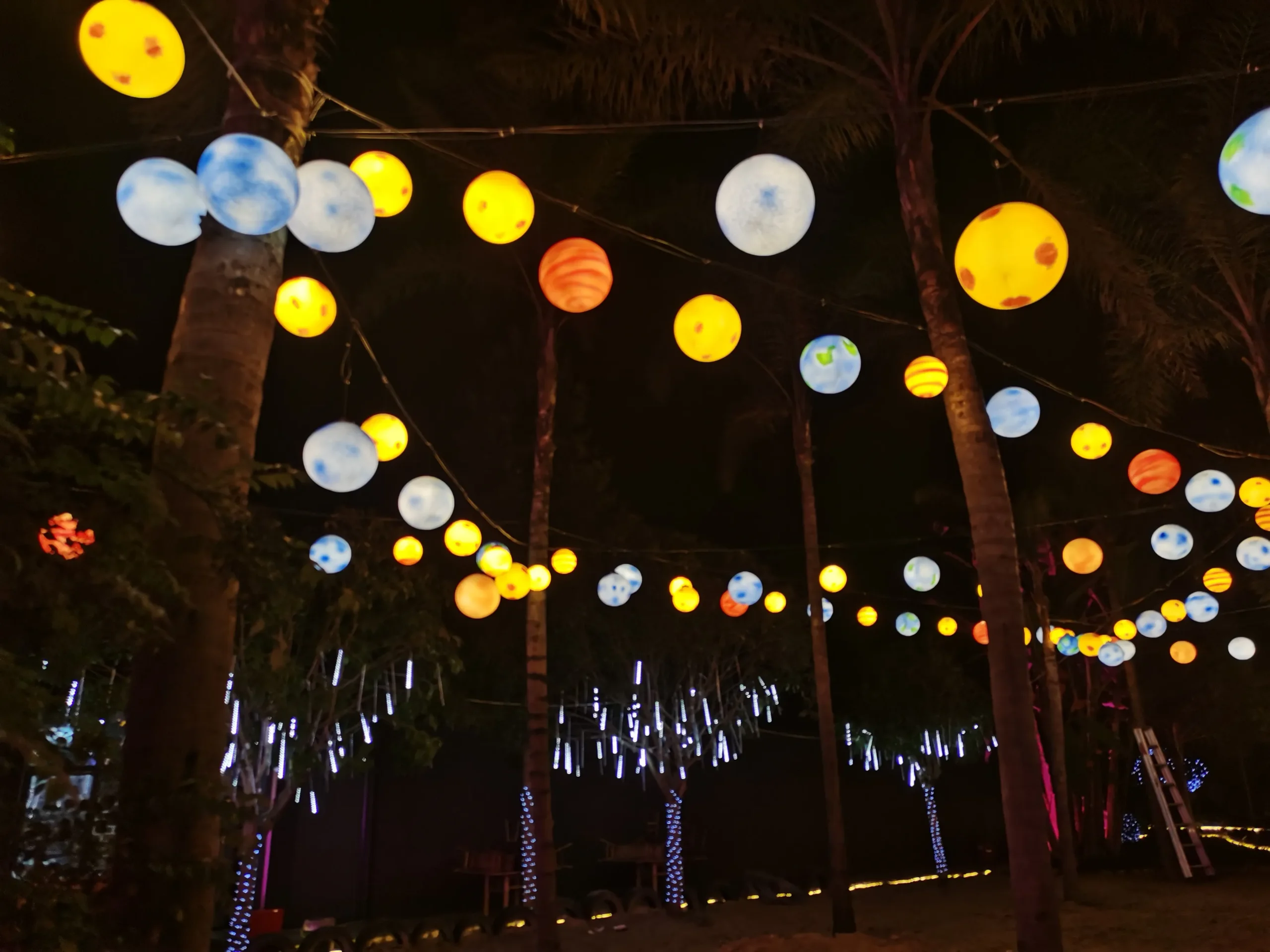
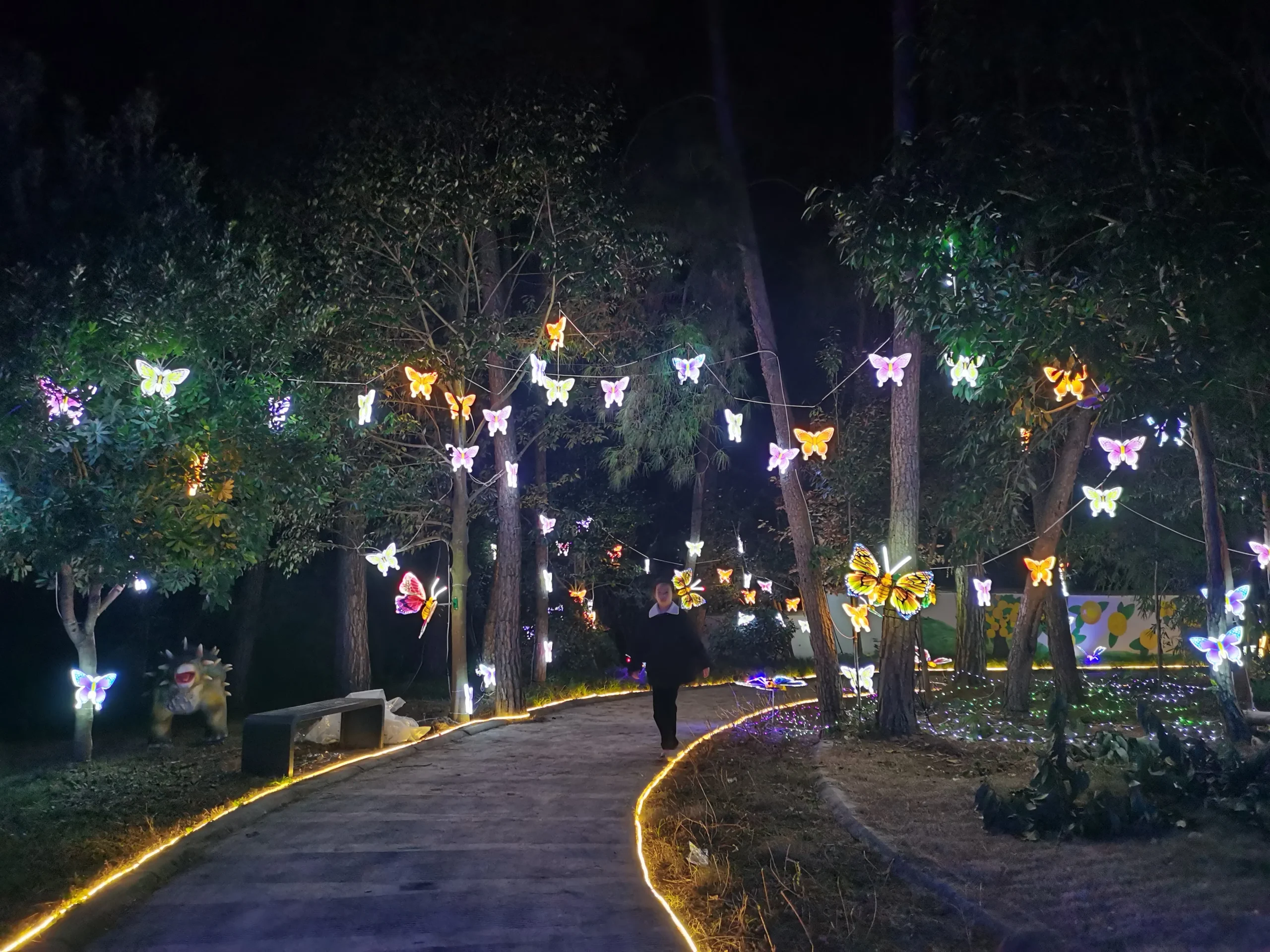
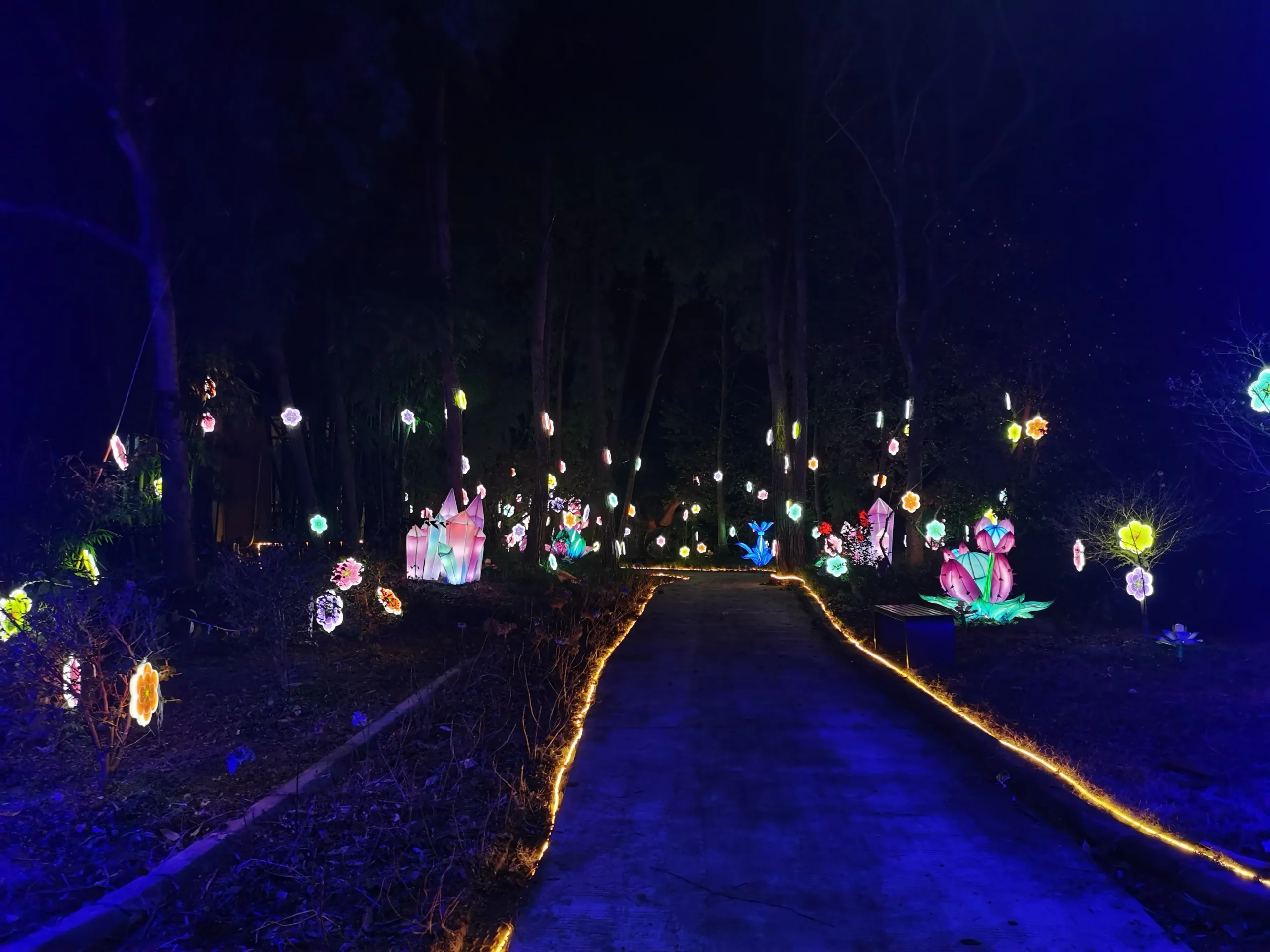
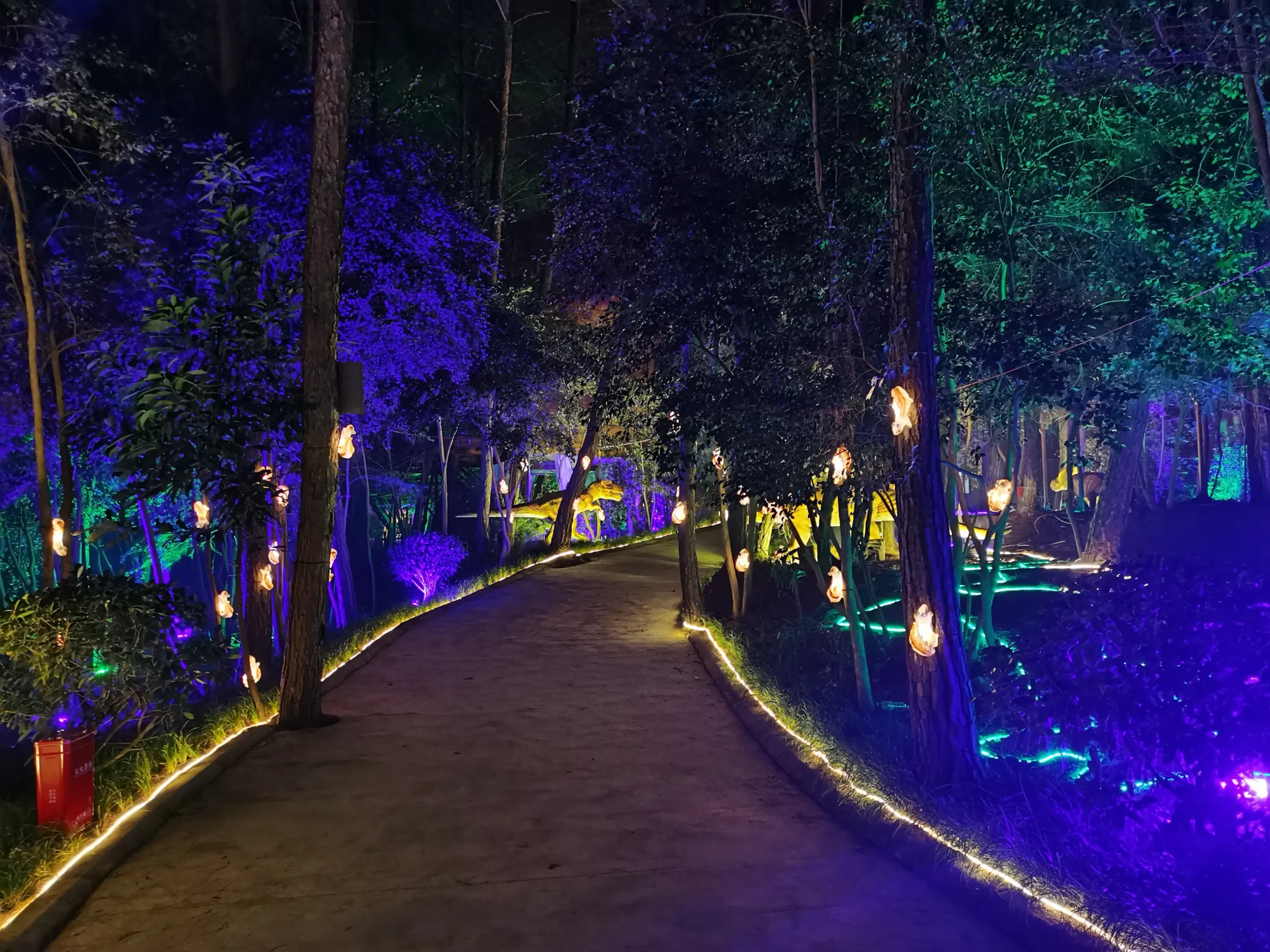
Forests symbolize mystery and renewal. At night, the forest becomes a canvas for glowing spheres that resemble celestial orbs or fireflies, star-shaped lanterns suspended above paths, mushroom clusters appearing beside planting, illuminated blossoms, vines, tree trunks, and canopy-hung lights.
Sphere colors can reference planets or fireflies, star patterns can support constellation stories, and mushroom forms can blend with natural fungi. The same route may become a romantic floral walk, a storybook woodland path, a celestial forest adventure, or a mushroom-filled fairy realm for family exploration.
Spheres, stars, and firefly-inspired lighting
Use hanging stars, glowing orbs, and controlled color sequences to guide visitors through a night trail while keeping the canopy and landscape visible.
Mushrooms, flowers, vines, and fantasy scenes
Build storybook moments with mushroom circles, flower clusters, illuminated vines, small creatures, and family-oriented discovery zones.
Floral arches, glowing trees, and photo points
Plan a softer composition for weddings, resorts, garden events, branded evenings, and commercial photography installations.
Where Forest Decoration Lanterns Can Be Used
- Forest parks, botanical trails, nature reserves, and resort woodlands.
- Lantern festivals, night markets, theme parks, and seasonal night tours.
- Outdoor camps, family leisure zones, and nature education routes.
- Photo spots, themed walkthroughs, fantasy gardens, and romantic installations.
- Enchanted Forest weddings, woodland festivals, and private venue events.
- Eco-, adventure-, or nature-focused brand activations with customized colors or logos.
How Forest Decoration Lanterns Support Immersion and Storytelling
Create a complete forest story
Lanterns can turn ordinary paths into celestial trails, fairy-tale mushroom circles, flower gardens, or nature-inspired story routes rather than isolated decorative objects.
Connect the visual route to a campaign
Eco- or adventure-focused brands can customize colors, symbols, selected graphics, and visitor photo moments to support a memorable nature-related message.
Support imaginative play and discovery
Star-lit forest adventures, glowing fauna, and mushroom-filled fairy realms can help families and children explore a route through a clear visual narrative.
Create shared forest-night activities
Smaller gardens, community woodlands, and neighborhood events can use lantern groups as settings for storytelling, stargazing, and guided nature activities.
Customize Forest Decoration Lanterns by Theme, Scale, and Lighting
Each project can be adapted to the terrain, route length, visitor profile, operating hours, and seasonal story. The design team can combine large landmarks with smaller path-level details so the forest feels layered from a distance and at close range.
Plants, creatures, and scenic structures
Flowers, vines, tree outlines, mushrooms, stars, spheres, animals, arches, signs, hanging elements, and custom fantasy characters.
Steady, gradient, sparkling, or programmed effects
Define brightness, color temperature, gradients, sparkling sequences, synchronized zones, motion-based effects, sound, or interactive triggers.
Small details through landmark installations
Combine petite path decorations, human-scale photo elements, tall glowing trees, entrance features, and canopy trails according to viewing distance.
Forest Decoration Lanterns Materials and Commercial Features
- Custom structure: reinforced metal framing planned for the size, shape, support method, transport sections, and display period.
- Decorative surface: flame-retardant fabric or other approved finish selected for the visual effect and operating environment.
- LED lighting: energy-efficient internal or integrated lighting with weather-ready components selected for the project conditions.
- Modular design: labeled sections for export packing, local handling, route zoning, storage, repair, and possible seasonal reuse.
- Control options: steady light, gradients, sparkling effects, programmed scenes, selected sound, sensors, or motion effects where specified.
- Installation support: drawings, labels, assembly guidance, remote support, or on-site service according to the agreed project scope.
Plan Forest Decoration Lanterns Around Terrain and Visitor Movement
Map trees, roots, slopes, drainage, and protected planting
Site photos and plans should identify usable installation zones, access limitations, ground conditions, and areas that must remain untouched.
Define power zones and cable protection
Confirm voltage, distribution points, operating hours, cable routes, control locations, maintenance access, and weather exposure.
Protect sightlines, clearances, and route capacity
Review path width, viewing distance, queue areas, photo stops, emergency access, guard zones, and the installation sequence.
Landscape protection note: direct attachment to living trees should only be used when the venue and its qualified landscape or arborist team approve the fixing method. Independent structures, weighted bases, or ground-supported frames may be more suitable for sensitive sites.
From woodland concept to installed night route
- 01Site brief
Share the route, terrain, dates, audience, operating hours, and installation conditions.
- 02Theme plan
Choose the forest story, scene groups, landmark moments, colors, and lighting rhythm.
- 03Engineering
Confirm structures, supports, sections, power zones, controls, safety clearances, and maintenance access.
- 04Production
Fabricate, finish, illuminate, label, assemble, and test the forest display groups.
- 05Delivery
Prepare export packing, loading information, drawings, and agreed installation support.
Prepare the information needed for a forest lantern quotation
- Preferred forest theme, story, colors, and reference images.
- Required scene types, quantities, approximate dimensions, and lighting effects.
- Target audience, expected visitor experience, and brand requirements.
- Opening date, event period, daily operating hours, and reuse plan.
- Venue, installation city, route length or display area, and site photos.
- Terrain, tree protection, wind, rainfall, drainage, power, and access conditions.
- Shipping destination, local equipment, installation responsibility, and storage plan.
- Applicable venue rules, local safety requirements, and approval process.
Review related festival, nature, and cultural display references
Forest Decoration Lanterns Questions
What are forest decoration lanterns?
Forest decoration lanterns are customized illuminated sculptures and scenic lighting elements designed for woodland trails, forest parks, botanical gardens, festivals, resorts, nature attractions, and commercial night events. A project may combine glowing trees, flowers, vines, mushrooms, stars, spheres, animals, arches, and pathway features.
Which forest lantern themes can be customized?
Themes can include enchanted forests, fairy gardens, celestial woodland paths, mushroom villages, glowing flower gardens, animal habitats, romantic groves, seasonal forests, or a custom branded story. Size, color, shape, lighting program, scenic base, and route composition can be adapted to the site.
Can forest decoration lanterns be used outdoors?
Yes, when the structure, surface material, lighting, cable protection, anchoring, drainage, and maintenance access are planned for the actual site and operating period. Share terrain, wind, rainfall, tree protection, power, visitor-flow, and local safety requirements before engineering is finalized.
How are forest lanterns installed without damaging the landscape?
The plan should map trees, roots, slopes, paths, drainage, utilities, protected planting, equipment access, and visitor clearances. Ground-supported frames, independent hanging structures, weighted bases, or approved fixing points can be used according to the site. Direct attachment to living trees should only follow venue and arborist approval.
Can forest lanterns include programmable or interactive effects?
Depending on the project, forest lanterns can use steady LED lighting, gradients, sparkling sequences, color changes, synchronized scenes, sound, sensors, or selected motion effects. Control requirements should be defined with power zones, show timing, operating hours, and maintenance access.
What information is needed for a forest lantern quotation?
Prepare the venue and installation city, route length or display area, preferred theme, quantity and approximate sizes, indoor or outdoor use, event dates, operating hours, power conditions, terrain and access information, installation responsibility, shipping destination, site photos, plans, and reference images.
Send your forest lantern route requirements
Share the site, route length, preferred theme, opening date, lighting effects, installation conditions, destination, and reference images. Star Factory Lantern can use these details to prepare the concept, structure, packing, delivery, and support scope.


